



CGM Reference Design Based on BG27 Bluetooth LE Chip
Continuous Glucose Monitors (CGMs) allow patients with type 1 or type 2 diabetes to monitor blood glucose, and allow patients and their medical teams to create a data-informed plan of care to prevent possible complications, such as heart attacks, blindness, stroke, or kidney disease. The Internet of Things (IoT) has changed the way that patients can interact with monitoring their health, and device makers, such as Silicon Labs, are revolutionizing tools that are functional, portable, and energy-efficient for patients.
In this whitepaper, Silicon Labs shares its latest work on CGM reference design based on the BG27 Bluetooth LE chip and goes into the features that enhance patient experience.
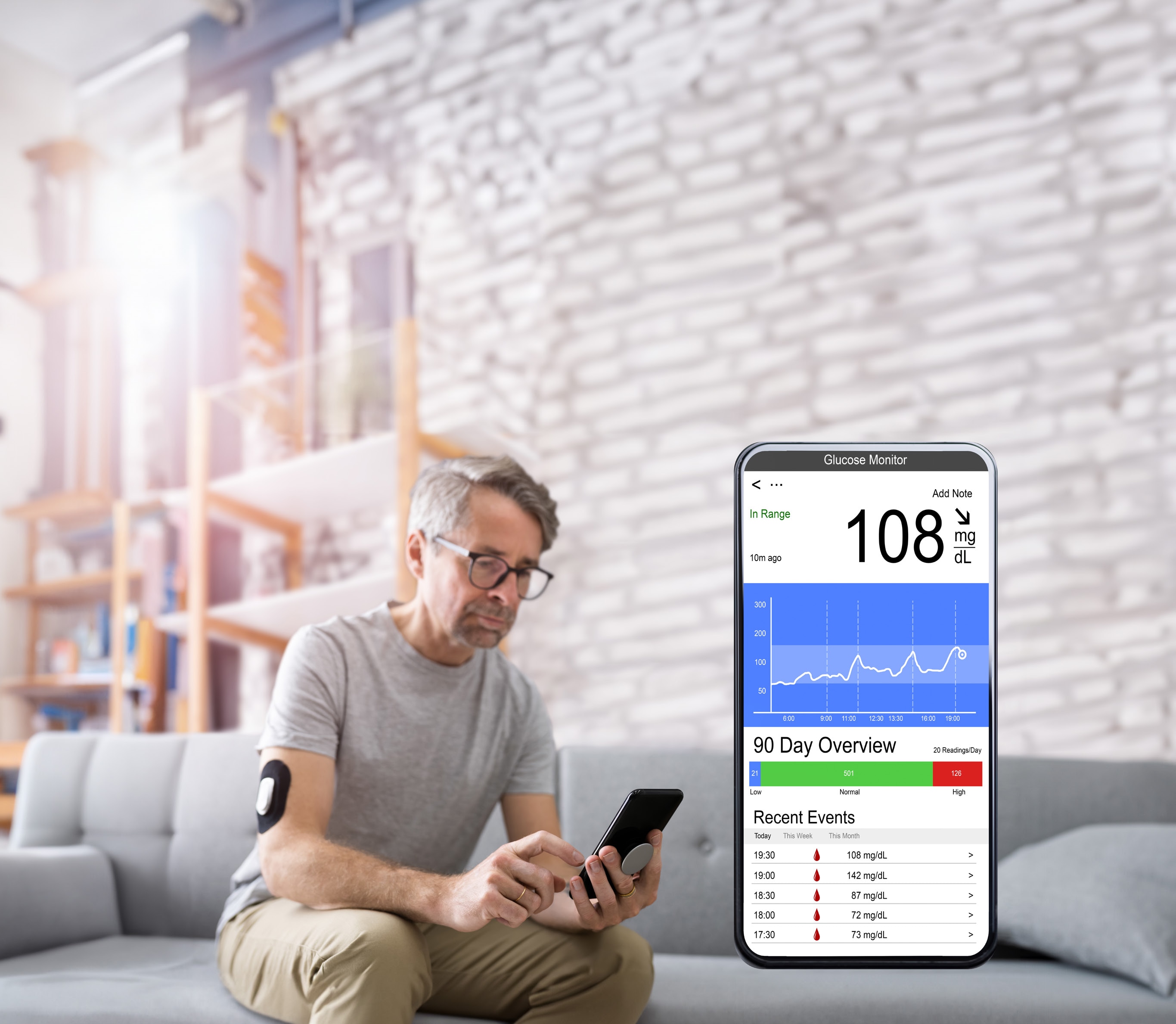
Patients with type 1 or type 2 diabetes must monitor their blood glucose to make informed decisions about their health. Continuous Glucose Monitors (CGMs) allow patients to see how different foods, medicines, or even physical activity can impact blood sugar. This information is crucial to help patients and their medical teams create a data-informed plan of care to prevent possible complications, such as heart attacks, blindness, stroke, or kidney disease.
Candidates for CGMs are those who would like more control in managing their diabetes or those with comorbid conditions that require more engagement with a treatment plan. Patients with type 1 or type 2 diabetes who use CGMs have reported improvements in A1C levels, reductions in hypoglycemia, greater treatment satisfaction, and better overall well-being. Advances in CGM technology even enable direct communication and coordination with insulin patch delivery systems, thereby acting as an artificial pancreas to continuously monitor and stabilize blood sugar levels.
Diabetes management is evolving toward closed-loop therapy systems, where reliable connectivity between the CGM, insulin delivery device, smartphone, and cloud are mission critical. These systems depend on secure, low-latency wireless communication, intelligent data processing, and long battery life to deliver continuous therapy adjustments and improve patient outcomes. Silicon Labs wireless solutions are designed to help.
At the same time, CGM innovation is expanding beyond glucose monitoring to incorporate additional biometric parameters, including ketone detection. These chemicals provide deeper insight into metabolism and can identify signs of insulin deficiency earlier for a more accurate picture of overall patient health. Multi-analyte sensing is also being explored to deliver a more comprehensive view of patient health.
Future generations of CGMs are expected to evolve into multi-analyte sensing platforms capable of monitoring not only glucose, but also biomarkers such as ketones, lactate, temperature, cortisol, and other indicators of metabolic health. By providing a more comprehensive understanding of a patient's condition, these devices can enable earlier intervention, more personalized treatment decisions, and improved overall outcomes. These emerging applications will require increasingly sophisticated algorithms, greater processing capability, and expanded memory resources, making platforms such as Silicon Labs' BG29 Wireless SoC well-positioned to support future innovation.
The Internet of Things (IoT) has changed the way that patients can interact with monitoring their health, while raising the bar for device makers developing the next wave of medical wearables. Silicon Labs is helping manufacturers keep pace with these evolving demands through wireless hardware, software, and support, to help advance CGM innovation.
Silicon Labs is proud to share its latest work on its CGM Reference Design.
CGM Reference Design Overview
There are several types of continuous glucose monitors, but all CGMs include four main components, including:
In this whitepaper, Silicon Labs shares its latest work on CGM reference design based on the BG27 Bluetooth LE chip and goes into the features that enhance patient experience.
- The sensor
- The analog front end (AFE)
- The application processor/Bluetooth receiver
- The battery
The sensor is a small wire catheter that is inserted under the skin on the arm or the abdomen and measures the concentration of glucose in the fluid between one’s blood. Depending on the type of sensor that someone has, it will need to be replaced periodically; typically, it’s every few weeks.
The transmitter attaches to the sensor and transmits the information the sensor collected to the handheld receiver and/or smartphone that displays glucose concentration data for the patient. Patients can then use this information to evaluate possible changes in glucose levels after eating meals, for instance, or to develop a treatment plan. Silicon Labs has an in-house application that allows patients to see real-time data visualization regarding their results from a CGM.

Low-Power Wireless IoT Devices Make Patient Care More Accessible
Device makers have recognized the importance of creating products that incorporate the critical features required for effective CGMs into portable, wearable devices. These requirements include long battery life, energy efficiency, security, low power consumption, and the ability to support increasingly sophisticated applications and algorithms.
The form factor (housing) and wireless connectivity are especially important for caretakers, clinicians, and patients. These features allow for continuous, real-time monitoring without a patient needing to be connected via wires to a machine and are a lightweight design, so patients can be on the move without concern. As a result, CGMs can be worn in the shower or pool, worn while sleeping, and can be worn in most situations.
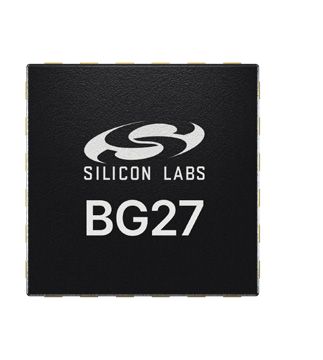
One such device is the BG27 Bluetooth LE SoC from Silicon Labs, which was created with the intention of helping medical device manufacturers incorporate advanced Bluetooth LE connectivity into compact and intricate design devices, such as battery support for medical applications for CGM devices, thus providing the MCU with the ability to run this application as well as its ability to handle power management and store data. The CGM reference design uses the Analog Devices analog front-end (AFE) system.
Silicon Labs is continuing to build upon the capabilities introduced with BG27 through the latest BG29 Wireless SoC devices, which provide larger memory capacity to support larger and more sophisticated application images. Increased RAM resources can also support more advanced CGM algorithms and future designs that may incorporate additional biomarkers beyond glucose monitoring. These additional memory resources enable developers to implement more advanced glucose sensing algorithms, enhanced filtering and calibration techniques, and future feature expansion. The increased processing and memory headroom can help support continued improvements in sensor performance and overall measurement accuracy throughout the product lifecycle.
BG29 also supports over-the-air (OTA) device firmware updates, including updates that can be applied during manufacturing or after devices have been placed into storage, helping manufacturers maintain flexibility throughout the product lifecycle. The BG29 family also includes an integrated low-dropout regulator (LDO), helping improve power efficiency in applications operating from low-voltage battery sources such as 1.5V silver oxide cells.
Highlights of the CGM Reference Design
The CGM Reference Design, currently in production at Silicon Labs, has numerous benefits and improvements for enhanced patient experience, including:
Novel Wake-Up Feature
One of the challenges patients face with CGMs is that the devices' electrical connections are generally hermetically sealed. Typically, battery-operated devices have a plastic tab to prevent discharge until activation. However, CGMs are generally hermetically sealed, so this technique can’t be used. A new mechanism on Silicon Labs’ CGM features a way to simulate wake-up for the device with a boost-enable pin when needed. This novel boost-enable pin feature allows the device to work in an extremely low-power shelf mode until it is woken up by the patient. While this product is in this “shelf mode,” it draws less than 20 nanoamps of current, allowing it to save battery time until the customer uses the new device. This feature means that someone can go into the factory, handle the device in the box, and not worry about draining the battery. Notably, this CGM Reference Design has a novel way of activating this pin. Its activation is triggered by a light sensor, which wakes up the device when it is taken out of the packaging. For instance, a patient can simply shine a phone flashlight at it to make the product active.
Form Factor and Miniaturization of Design
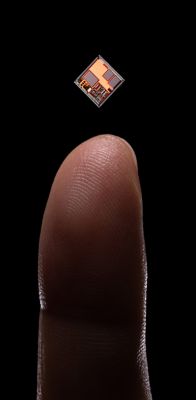
The size of this design was a critical consideration for patients. The battery takes up a significant amount of room on the product, so a small battery is important for the product to be comfortable to wear. The current reference design passes the 14-day market standard and uses the 1.5-volt silver oxide battery, which is also still operational after the 14-day market standard. The goal for the product is to continue to push the limits for the size, as there is still unpopulated space on the device to work with, as well as to capitalize on the length of time it can be worn. For the CGM Reference Design, Silicon Labs decided to provide a baseline implementation that can be further optimized to reduce the overall board space and shrink the form factor.
Improved Battery Life
The industry is still working to improve battery life and prevent infection at the insertion point. A leading battery provider is currently making a battery to serve as an alternative to the silver oxide battery, which is a lithium-based technology that can handle more electrical capacity and manage spikes that the silver oxide battery can’t currently handle. Currently, the product uses the SR66 button cell battery, but developers would like to eventually use the 716 as it is thinner.
Low Power Consumption
The CGM Reference Design uses a 1.8-volt analog frontend (AFE), which eliminates the use of an external power boost, and because the boost is already inside the chip scale package, it reduces the bill of materials (BOM) count, end cost, and size. The CGM Reference Design includes applications that take advantage of Bluetooth services and applications that reduce power consumption, too. The user can choose regular updates anywhere between every minute and up to every 30 minutes, depending on preference, as far as data reporting is concerned, and the interval of time can be optimized to increase battery life.
Silicon Labs has different power modes that allow any Bluetooth device to quickly transition between states to minimize overall power consumption, ranging from optimizing battery power for battery-powered devices to robust solutions for high-performance, long-range needs. Full Sample Application During the testing phase for this CGM, Silicon Labs targeted the Bluetooth profiles and services that are necessary for efficient data exchange specific to diabetes management and focused on optimizing this information for increased efficiency and reduced power consumption.
Security Considerations for Data Storage and Privacy
Developers are implementing effective security measures that are necessary for interconnected medical devices in the development of the CGM Reference Design. A large consideration for effective security involves the DTSec protection profile, which is backed by the Diabetes and Technology Society and created in conjunction with the U.S. Food and Drug Administration (FDA). Manufacturers are increasingly expected to demonstrate software supply chain transparency through a Software Bill of Materials (SBOM). Under FDA cybersecurity requirements for cyber devices, an SBOM documenting commercial, open-source, and off-the-shelf software components is an important element of the regulatory submission process and helps manufacturers identify, assess, and manage cybersecurity risks throughout the product lifecycle.
The CGM Reference Design accelerates this by providing customers with comprehensive software component visibility and the documentation needed to support SBOM creation and maintenance. By leveraging Silicon Labs' software inventory and supply chain transparency practices, customers can reduce the effort required to assemble cybersecurity documentation, streamline FDA submissions, and demonstrate compliance with emerging cybersecurity expectations. This support enables developers to focus on product innovation while simplifying a key aspect of the FDA review process.
This trend is a part of a global movement of governments taking a much more interested look at the security requirements surrounding life-critical diabetes management devices, including features such as the ability to lock the device, lock the ports, tamper prevention features, and firmware upgrade features to prevent security vulnerabilities. Silicon Labs has included the necessary DTSec Protection Profile requirements for the product’s development. Additionally, Silicon Labs’ Custom Part Manufacturing Services (CPMS) services allow for secure provisioning and device customization, such as bootloader, security key programming, and locking debug during manufacturing, for instance.
Silicon Labs is in discussion about establishing other essential security features for the CGM Reference Design. Now it’s done and should be able to store CGM and temperature data for 30 days, with a 1-minute interval. Such data is stored encrypted, so if someone retrieves your CGM, they can’t use it. Some manufacturers require additional Flash and RAM for data storage, which could be addressed by using an alternative device in the Silicon Labs portfolio.
With the possibility of the device being worn for up to 30 days, depending on the frequency of reporting data, there is also an opportunity for patients to use CGMs in the sports and fitness market to monitor biometrics beyond the specifics that someone who presents with type 1 or type 2 diabetes might require. Other benefits include improving sleep and optimizing food intake.
Moving Forward
Developers are continuing to optimize this CGM reference design for the consumer so that they can feel confident in monitoring their health with the latest tools and technology.
Silicon Labs continues to expand its portfolio of solutions to address various needs as technology evolves. It will continue to work closely with leaders in the industry to grow its portfolio as major players in the CGM and portable medical device market rely on Silicon Labs for expertise. The team is actively strategizing ways to ensure that patients receive a product that not only exceeds expectations but is also secure and efficient. Silicon Labs is available to support developers as they use the reference design and tailor it to meet their specific product needs.