

Bringing Machine Learning to the IoT
Silicon Labs is redefining what's possible at the intersection of IoT and machine learning, enabling smarter, faster, and more efficient edge devices. Our platform brings together cutting-edge hardware and development tools to accelerate innovation in IoT machine learning applications, from smart homes to industrial automation.
- Integration with Wireless SoCs: Industry’s widest portfolio of wireless solutions combined with machine learning for IoT edge devices.
- Deep Learning Neural Networks: Faster, more accurate, deep learning for advanced IoT machine learning applications
- Rich Set of Development Tools: End-to-end ML in IoT toolchain designed for explorers and experts, speeding up development of smart connected products.
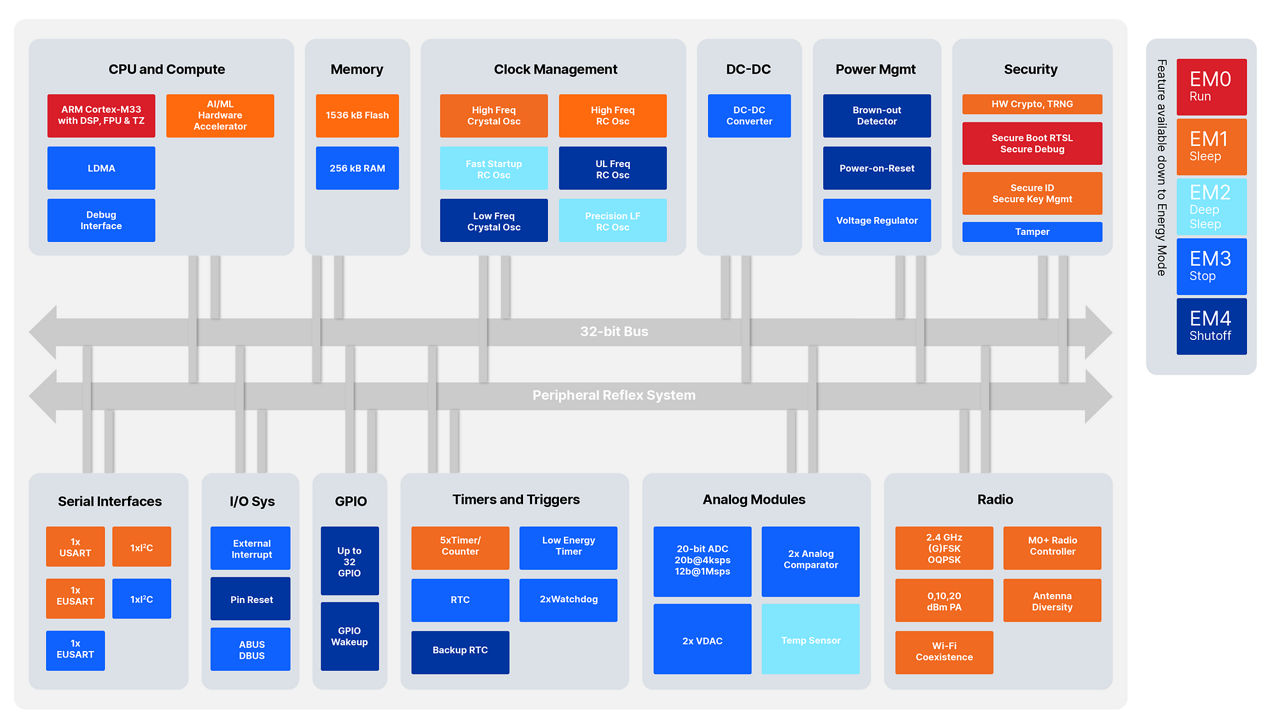
- AI/ML Hardware Accelerator: Enables up to 8x faster inferencing at 1/6th the energy, reducing BOM and design complexity
- Hardware
Hardware
Getting Started With IoT Machine Learning Products
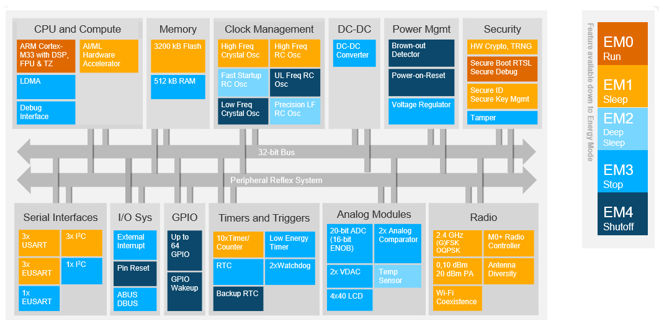
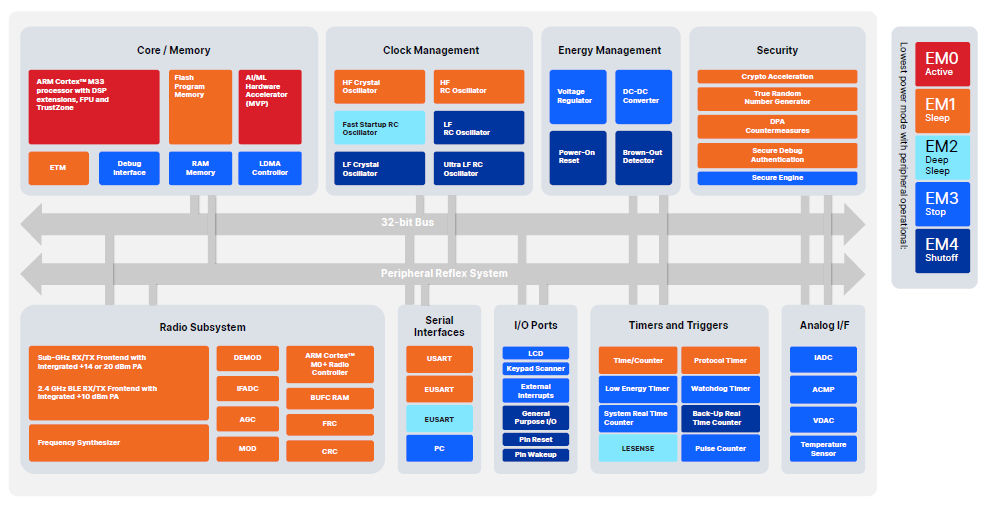
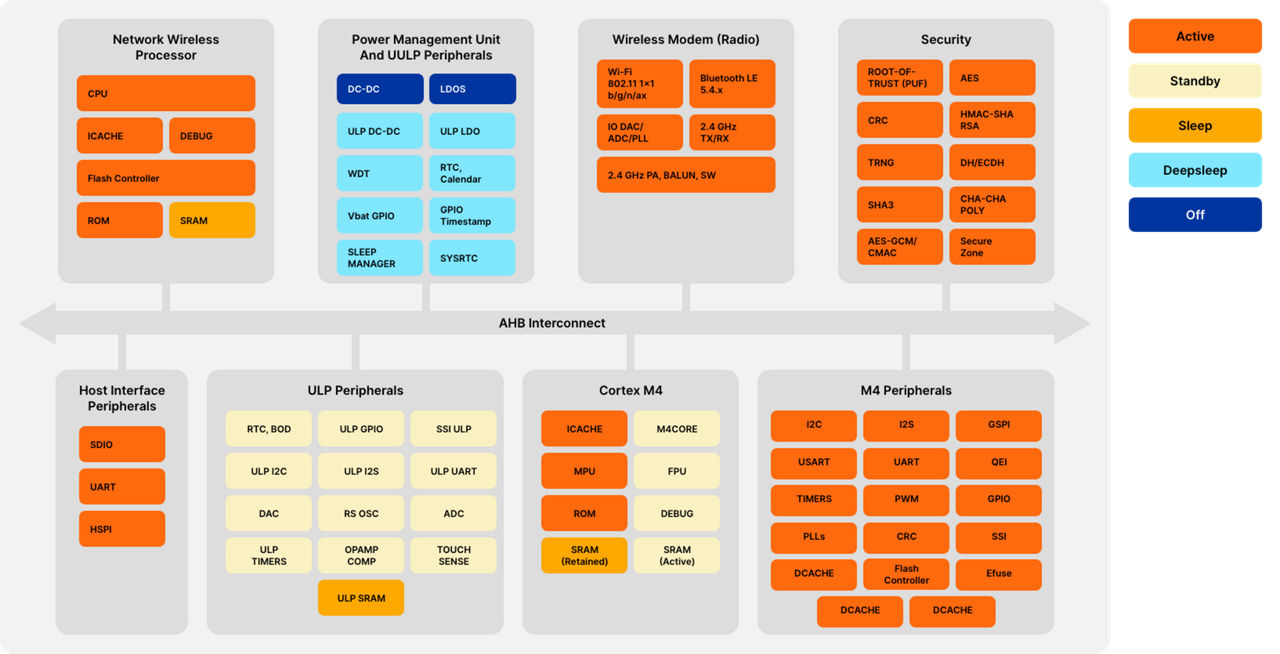
Our wireless SoCs feature a built-in Matrix Vector Processor (MVP) for hardware-accelerated IoT machine learning, enabling fast, low-power inferencing directly at the edge. Perfect for smart, connected devices requiring real-time, on-device intelligence.




- Software
Software
ML SDK: Simplify Machine Learning in IoT Development
The Silicon Labs ML SDK brings machine learning to IoT devices, seamlessly integrated into Simplicity Studio
and built upon the industry-standard TensorFlow Lite Micro framework.
How it Works:
Bring Your Own Model (BYOM): Start with your own TensorFlow Lite model or collaborate with our AI/ML partners to create a custom model tailored to your IoT use case.
Seamless Integration: Simply add the AI/ML SDK Extension when installing your Silicon Labs SDK, and drag and drop your model into the project's config folder to integrate it directly.
Automatic Optimization: From model conversion to deployment, the SDK manages optimization and hardware acceleration for you, making machine learning in IoT easier than ever.
Key Tools for IoT Machine Learning:
Flatbuffer Converter
Quickly convert .tflite models into deployable header files — just drop your model into your project’s config folder and you’re ready to go.
Model Profiler
Estimate memory usage and runtime performance on your IoT target device to fine-tune your model before deployment.
Model MVP Compiler
Integrated directly into Simplicity Studio, this compiler optimizes execution, managing memory layout, weight paging, and scheduling for efficient edge inferencing.
Ready-to-go Demos
Explore pre-built demos for voice, gesture, acoustic, and sensor-based recognition — showcasing the power of ML in IoT for real-world applications.
Looking for more? Find more AI/ML software documentation here. Need help developing a model? Work with one of our partners to create a custom model tailored to your use case.
- Development Tools
Development Tools
Getting Started With ML IoT Development Tools
Kickstart your IoT ML journey with our development kits and toolchain. Run out-of-the-box demos, evaluate model performance, and build custom IoT machine learning applications, all on hardware optimized for Edge AI.
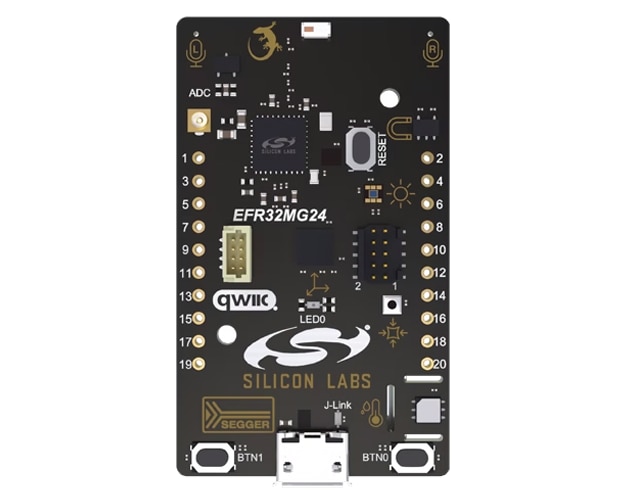
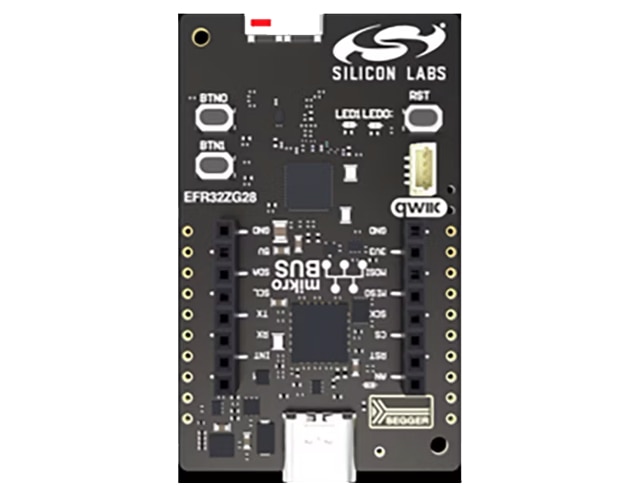
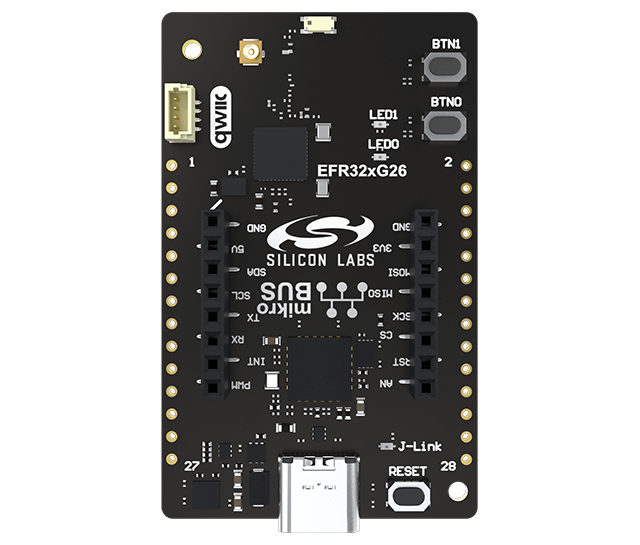
- Applications
Applications
Get Started with ML Application Examples
Explore how IoT machine learning enables real-time intelligence across a range of applications — from voice and audio detection to sensor signal processing and low-resolution vision. These use cases show how on-device AI unlocks smarter, faster, and more efficient edge solutions.
See each demo in action and learn how to build it using Silicon Labs hardware and development tools.

Sensor signal processing is the use of low data rate sensors including accelerometers, gyroscopes, air quality sensors, temperature sensors, or pressure sensors. This makes it possible to extend machine life cycles, avoid down time, and reduce cost with preventive maintenance.

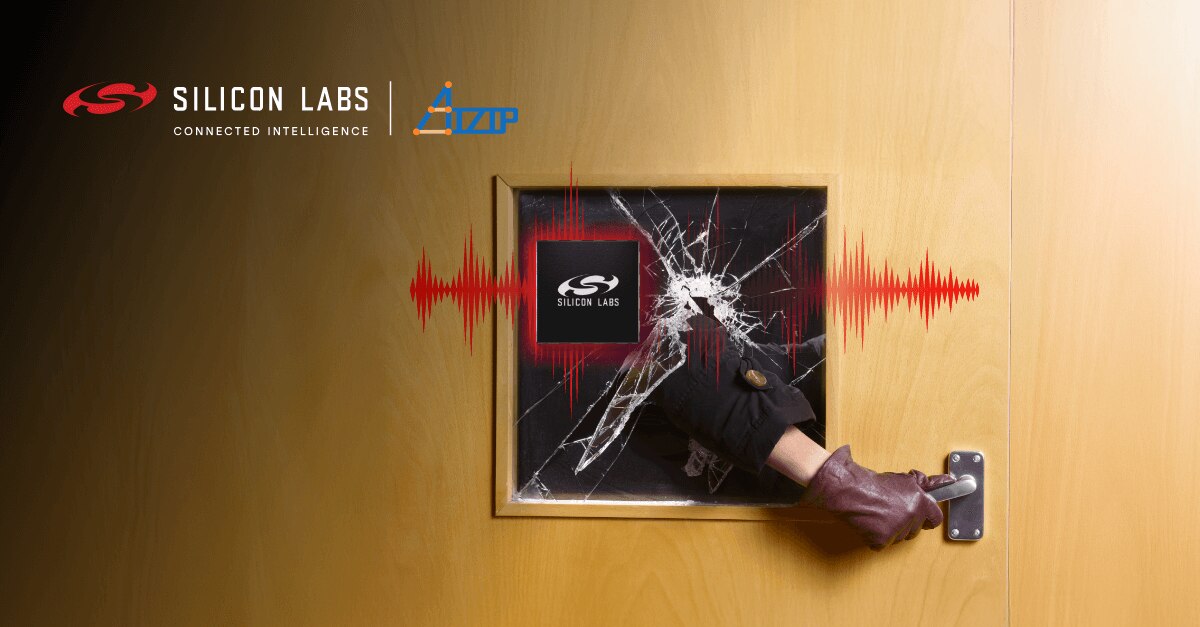
Audio pattern matching uses microphones to detect a very wide range of non-speech related sounds including squeaky bearings, breaking glass, or running water. These features make it possible to bolster in-home security with glass break detector, scream, and shot detection.
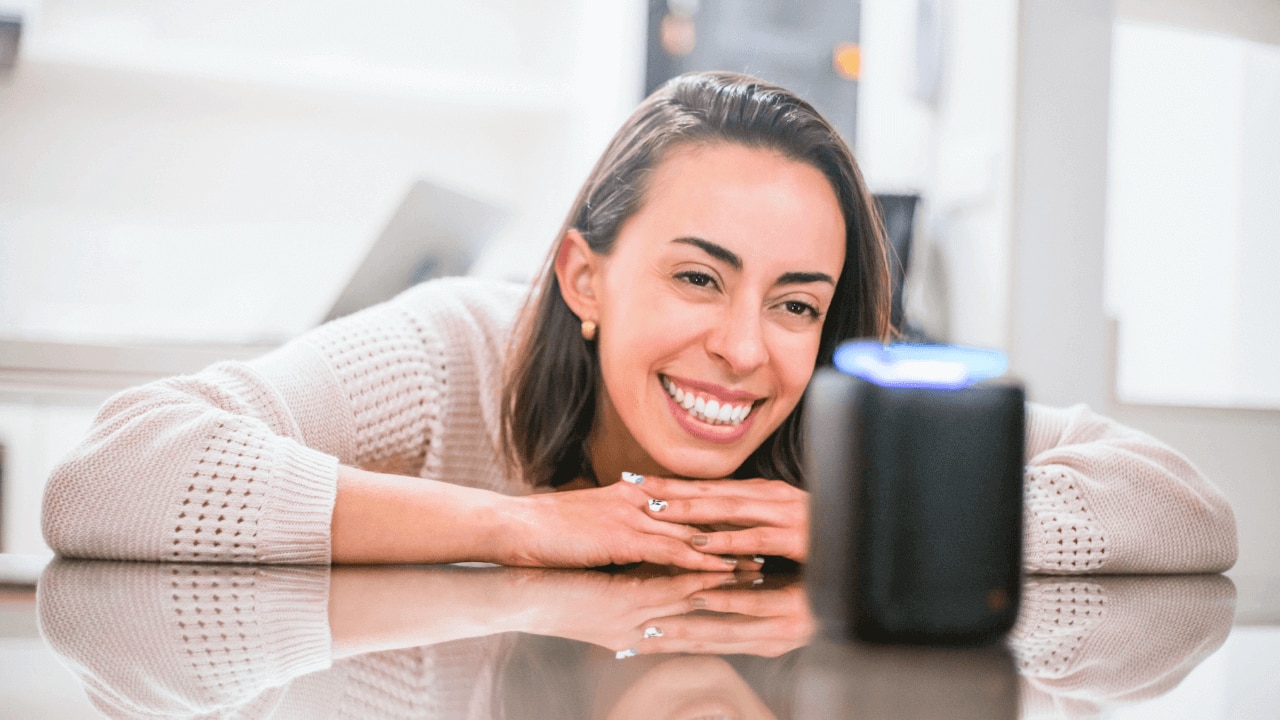
Voice commands are a specific sub-set of audio patterns that are the recognition of single words, which is also sometimes referred to as keyword spotting. Make a smart home a responsive home by turning lights on/off with AI/ML keyword detection.

Make smart devices seeing devices by wake-up upon object detection, presence detection, people counting, and more.
- Partners
Partners
Get Started with our AI/ML IoT Partners
Accelerate your IoT machine learning development with trusted AI/ML partners. These pre-screened design service providers offer custom solutions or ready-to-deploy models on Silicon Labs SoCs, helping you simplify development and reduce time-to-market.

Edge Impulse is the leading development platform for embedded machine learning, free for developers, and used by over 1,000 enterprises worldwide.

SensiML pioneered software tools simplifying the development of TinyML code for IoT sensor applications.

Sensory Inc. creates a safer and superior UX through vision and voice technologies widely deployed in consumer electronics applications.
MicroAI™ is an endpoint-based artificial intelligence and machine learning engine that lives directly on a device.
ModelCat is a team of experts with AI, IoT, systems design DNA, coming together to solve tough problems of advanced ML algorithms.
Sigma Connectivity is a global design house with the mission to innovate and create value and growth with connected solutions.

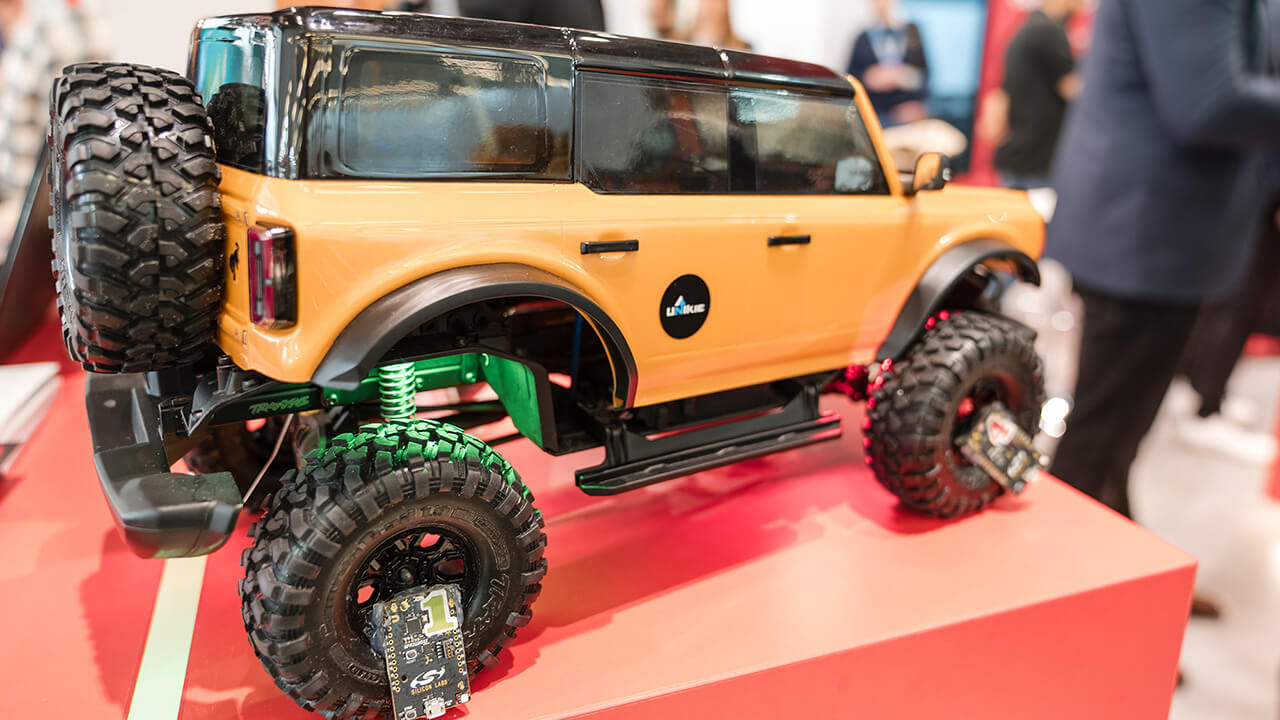
Unikie is a global software engineering company that infuses intelligence into machines, vehicles, and industrial solutions.

Start your IoT Machine Learning development here.
IoT Machine Learning Demo Videos
Explore real-world IoT machine learning demos powered by our hardware accelerator. From voice and gesture recognition to fingerprint and acoustic sensing, these examples showcase fast, efficient on-device inferencing.
-
Voice Command Recognition with Pacman
-

Fingerprint Authentication Demo
-

Guitar Note Recognition with AI/ML
-

ModelCat AI Demo
-
Rock, Paper, Scissors Gesture Recognition Demo
Featured AI/ML Resources